
Timing differences
Some patients think only in terms of how quickly a medication works, but duration and rebound effects also matter. A fast-acting option may not always be the best match for the pattern of symptoms.
Xanax and Ativan are both familiar names in anxiety treatment discussions, but they are not interchangeable in every situation. Patients often ask about speed, duration, and sedation profile, which is why a focused comparison can be useful before clinical review.
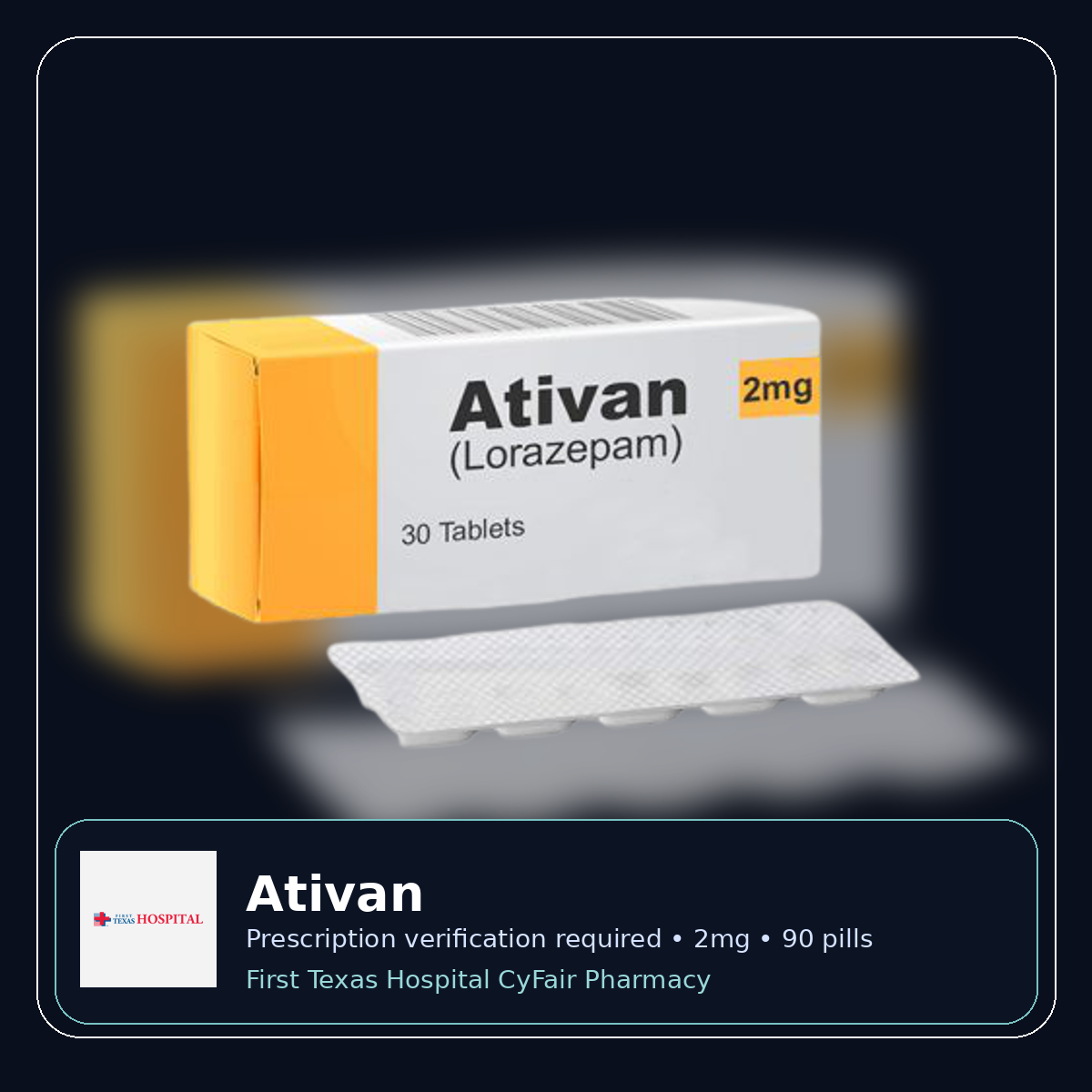
This page is reviewed for care-access accuracy, prescription-verification language, patient safety framing, and hospital contact consistency by the First Texas Hospital CyFair clinical content and pharmacy compliance review team.
The review process is intended to keep xanax vs ativan aligned with hospital-based patient communication standards rather than open-market retail copy.
Some patients think only in terms of how quickly a medication works, but duration and rebound effects also matter. A fast-acting option may not always be the best match for the pattern of symptoms.
These medications require careful review for dependence risk, interaction with alcohol or other sedatives, and whether the patient is already taking another CNS depressant.
A familiar brand name does not guarantee the best fit. The most appropriate choice depends on how the medication is meant to be used and what other health factors are present.
Use the comparison to prepare for consultation, then move through prescription verification if a prescriber has already selected the medication.
Medical disclaimer: This content is provided for informational and care-navigation purposes only. It does not replace diagnosis, treatment, or direct advice from a licensed clinician. Medication fulfillment, substitution, and refill decisions remain subject to prescription verification, clinical appropriateness, and hospital or pharmacy review.