
Short-acting options and caution
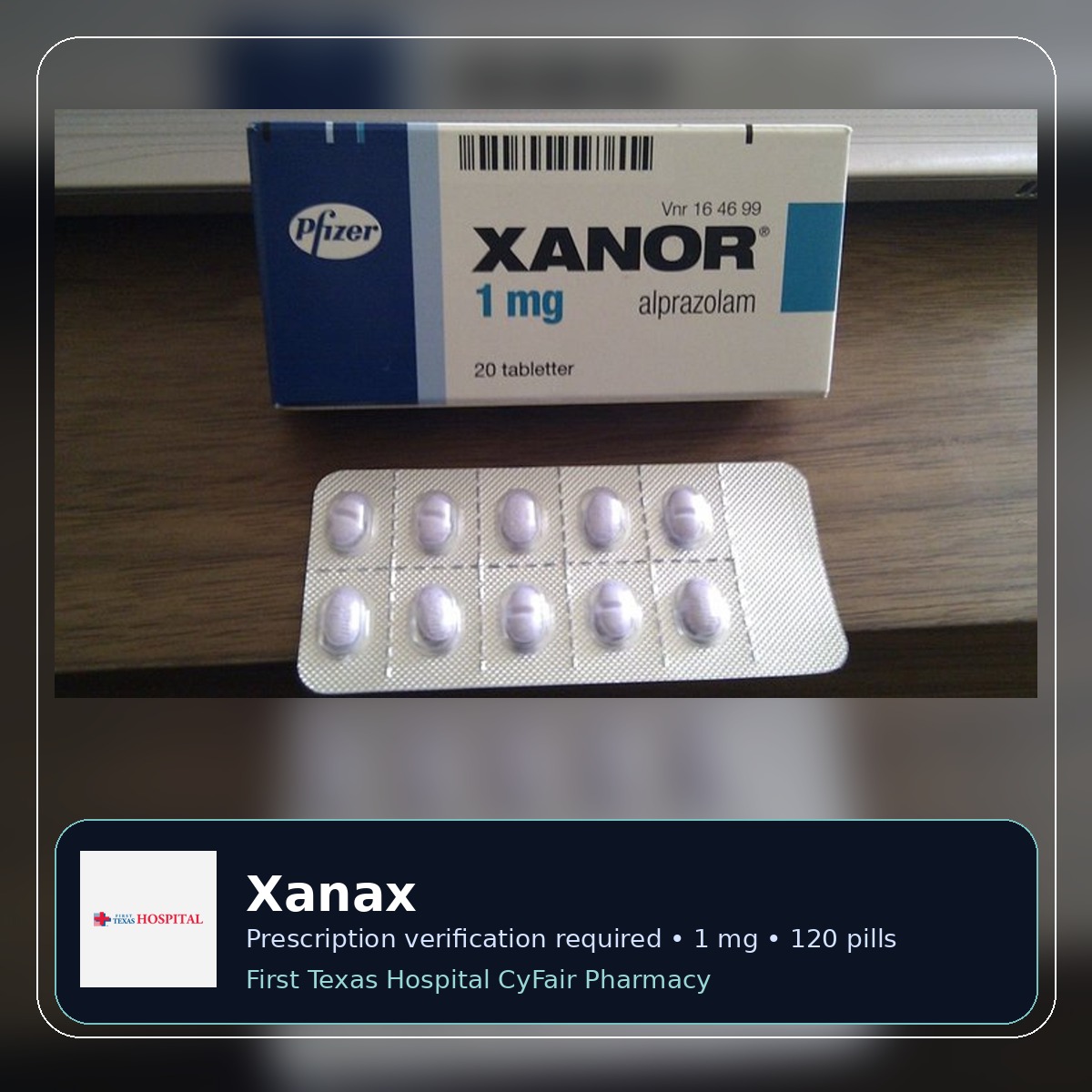
Products such as alprazolam or lorazepam may be familiar to patients because they can work quickly, but they also require careful prescribing, dose review, and monitoring for sedation or dependence-related concerns.
Anxiety symptoms can range from persistent physical tension to panic attacks that feel overwhelming. Medication decisions should take symptom pattern, prior response, sedation risk, and interaction concerns into account rather than focusing only on the drug name.
This page is reviewed for care-access accuracy, prescription-verification language, patient safety framing, and hospital contact consistency by the First Texas Hospital CyFair clinical content and pharmacy compliance review team.
The review process is intended to keep anxiety medications guide aligned with hospital-based patient communication standards rather than open-market retail copy.
Products such as alprazolam or lorazepam may be familiar to patients because they can work quickly, but they also require careful prescribing, dose review, and monitoring for sedation or dependence-related concerns.
Many patients also need a broader treatment plan that includes therapy, sleep management, and discussion of whether the immediate medication request truly matches the condition being treated.
A page like Xanax vs Ativan helps patients understand onset, duration, and practical differences, but it is still not a substitute for individualized prescribing.
CNS-active medications should be checked for interactions, existing prescriptions, alcohol use, sleep-related risks, and duplication of therapy.
These pages are meant to support review, not impulsive ordering. Consultation is the better path when a patient is unsure which medication or strength is appropriate.
If a prescription is already available, the hospital can review the request through the verification pathway before any fulfillment step is considered.
Medical disclaimer: This content is provided for informational and care-navigation purposes only. It does not replace diagnosis, treatment, or direct advice from a licensed clinician. Medication fulfillment, substitution, and refill decisions remain subject to prescription verification, clinical appropriateness, and hospital or pharmacy review.